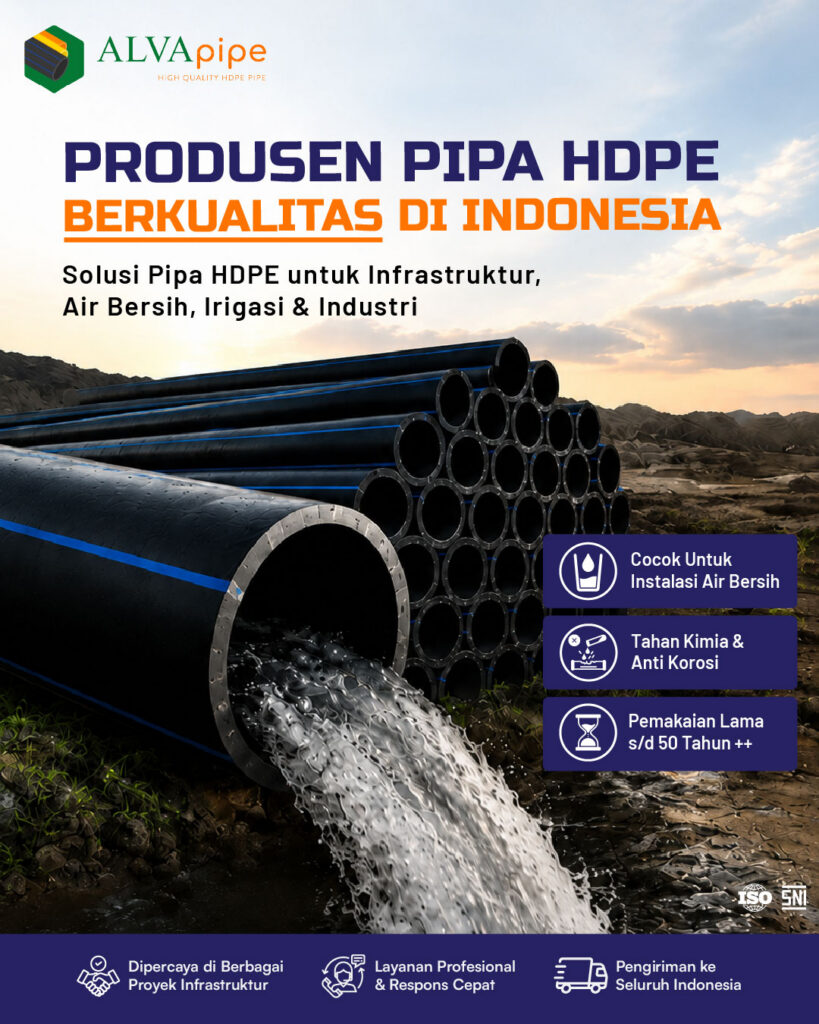
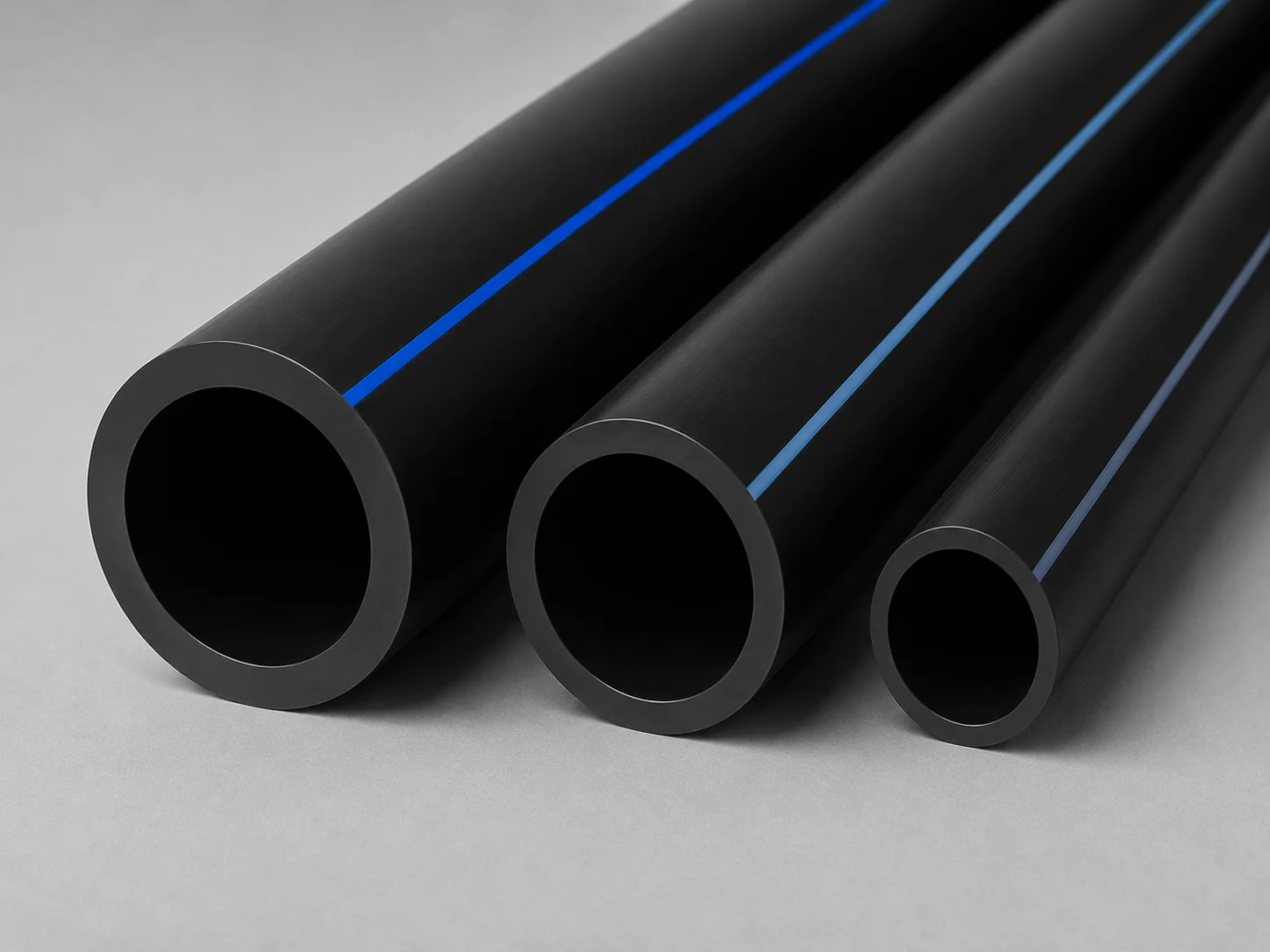
When selecting HDPE pipes for a project, most people focus on price, diameter, and pressure rating. While these factors are important, one technical aspect is often overlooked but plays a crucial role in pipe quality and durability: density.
What Is Density in HDPE Pipes?
Density is a measure of a material’s mass relative to its volume, expressed in grams per cubic centimeter (g/cm³). In other words, the higher the density, the more mass is contained within a given volume of material.
For polyethylene materials, density is determined by how the polymer chains are arranged within the material’s structure. High-density polyethylene has tightly packed, well-ordered molecular chains with minimal empty space between them. This structure makes high-density materials stronger, stiffer, and more resistant to various forms of mechanical stress.
HDPE, or High-Density Polyethylene, typically has a density range of 0.941 to 0.965 g/cm³.
The Relationship Between Density and HDPE Pipe Strength
A higher density means a tighter and more organized molecular structure. In practice, this translates into several key advantages:
1. Higher Compressive and Tensile Strength
Materials with higher density have stronger molecular bonds, allowing them to withstand external forces without deforming. For pipes operating under high pressure or carrying loads from the soil above them, this characteristic is especially important.
2. Better Resistance to Cracking
One common issue in piping systems is slow crack growth, where small cracks gradually spread over time until they eventually cause leaks. Materials with higher density offer better resistance to this mechanism because their tightly packed molecular structure helps slow crack propagation.
3. More Controlled Deformation
Pipes made from higher-density materials are better able to maintain their shape under pressure or load. As a result, unwanted dimensional changes can be minimized throughout the service life of the pipe.
Standard Density of HDPE Pipes
The piping industry recognizes several polyethylene material grades classified by density and minimum strength as follows:
1. PE 63
This grade has lower density and strength, typically ranging from 0.941 to 0.945 g/cm³. It is rarely used in modern infrastructure projects due to its limited pressure capacity.
2. PE 80
With a higher density, generally between 0.945 and 0.955 g/cm³, PE 80 offers greater minimum strength than PE 63. This grade is still used for certain medium-pressure water and gas distribution applications.
3. PE 100
The highest-grade HDPE material, with a density range of 0.955 to 0.965 g/cm³.
PE 100 is widely used in water infrastructure projects due to its high pressure strength, excellent resistance to slow crack growth, and long service life.
In summary, the higher the grade, the higher the density, the stronger the material, and the greater the pressure that a pipe can withstand at the same wall thickness.
Choose the Right Grade, Not Just the Cheapest One!
Here are a few practical guidelines you can apply right away:
1. Match the Grade to the System’s Operating Pressure
For clean water distribution projects with high pressure, PE 100 is a safe and cost-effective long-term choice.
For applications with lower pressure, PE 80 can be a more economical alternative without compromising system reliability.
2. Pay Attention to Specifications, Not Just Price
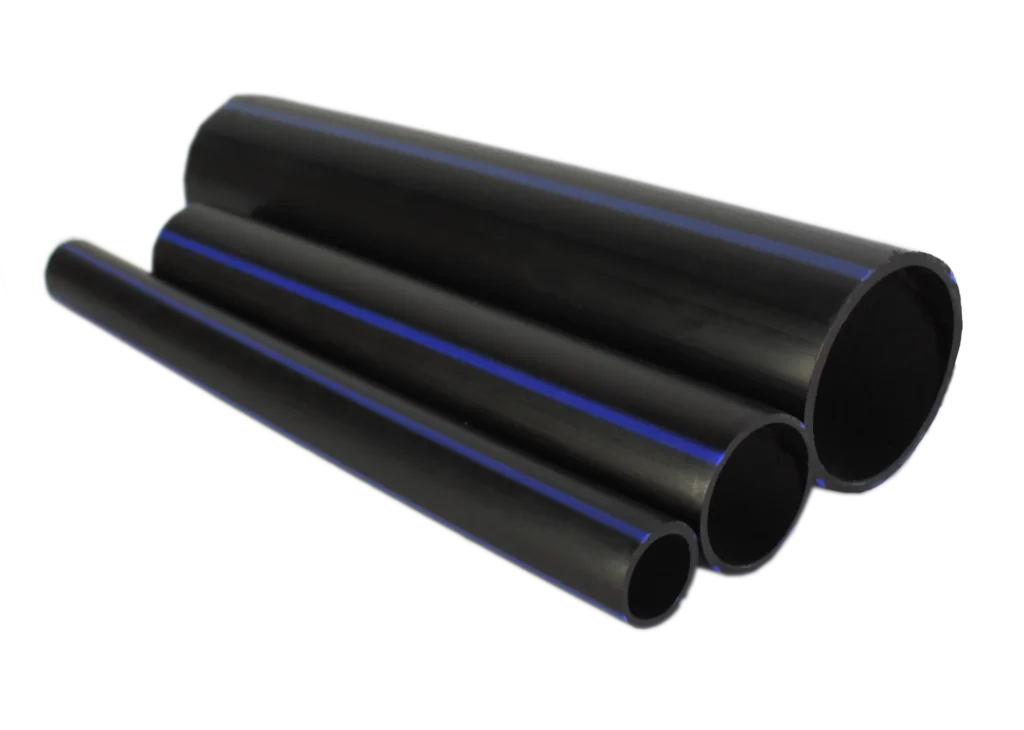
A lower-priced pipe made from PE 80 or a lower grade may seem cost-saving at first. However, when total cost of ownership is calculated, the difference can be very significant.
Learn more about how to choose high-quality HDPE pipes so you do not end up with a product that looks cheap upfront but becomes expensive in the long run.
3. Consult a Supplier Who Truly Understands the Product
A competent supplier can explain the differences between material grades, recommend specifications tailored to your project conditions, and provide verifiable certification documentation.
Learn more about the quality standards for water pipes that should guide your evaluation before making a decision.
Ensure Your HDPE Pipes Meet Standards – Consult ALVApipe!
Density is a critical technical factor that determines the strength, durability, and service life of HDPE pipes. Choosing the grade that matches your project’s technical requirements ensures long-term performance for decades.
PT Alpha Cikupa Makmur, through its brand ALVApipe, produces PE 100 HDPE water pipes with high density that meet SNI and ISO standards, available in diameters from OD 20 mm to 250 mm and pressure classes from SDR 11 to SDR 26. Each product is manufactured under strict quality control standards to ensure consistent density and performance across every batch.
Consult with ALVApipe today to discuss your water pipe requirements!
Contact the ALVApipe team via WhatsApp at +6287726663295 for tailored specification recommendations and the best project-specific price quotes.