Water pipe leaks are one of the most common problems in clean water distribution systems, whether in residential homes, commercial buildings, or industrial areas. Initially, a leak may only appear as a small drip or slight seepage behind a wall. However, if not addressed immediately, the condition can develop into more serious damage, ranging from increased water bills and mold growth to damage to the building structure.
Many people assume that the cause of a leaking pipe is simply its age. In fact, various other factors can have an impact, ranging from material quality, joining methods, unstable water pressure, to improper installation processes. Therefore, understanding why water pipes can leak is an important first step before determining the appropriate repair solution.
This article will discuss the main causes of pipe leaks, the potential impacts if left unaddressed, as well as preventive measures through choosing the right piping materials, to ensure the water distribution system remains safe and reliable in the long term.
Main Factors Causing Water Pipe Leaks in Buildings
Leaks in water installations generally do not occur suddenly. In many cases, damage begins with a gradual decline in the quality of the piping system, eventually leading to cracks or gaps in the joints. Therefore, the causes of water pipe leaks need to be understood comprehensively so that repairs are not merely temporary.
One of the main causes of household water pipes breaking and leaking is the use of materials that are less capable of withstanding water pressure over the long term. When water continuously flows every day, the pipe walls are subjected to repeated pressure. If the material used does not have good mechanical strength, the risk of fine cracks developing will increase and eventually cause leaks.
Drastic changes in water pressure are also a factor that often triggers damage. Pressure surges caused by water pumps or the sudden opening and closing of faucets can place additional loads on the pipe walls and joint areas. If this condition continues repeatedly, the piping system will experience material fatigue, which accelerates the appearance of leak points.
Improper installation should also not be overlooked. Pipe routes that are not properly supported, the selection of an unsuitable diameter, or an imprecise joining process can create weak points that are difficult to see from the outside. In many cases, leaks are only noticed after water seeps into the walls or floors of the building.
Brittle Material Quality and Substandard Joint Points
Joint areas are the parts of an installation that most frequently experience leaks when the installation process is not carried out properly. Loose joints will create small gaps through which water can gradually escape. Over time, water pressure will enlarge these gaps, causing the leak to become more severe.
Similar risks can also occur when pipes are made from raw materials with inconsistent quality. Materials with low durability are more likely to deform when exposed to water pressure or changes in environmental temperature. As a result, the joints lose their stability and water begins to seep through areas that previously appeared safe.
Therefore, dealing with seepage at water pipe joints is not simply a matter of replacing the leaking section. A comprehensive inspection of material quality, joining methods, and installation conditions needs to be carried out so that the source of the problem is properly resolved and does not reappear in the future.
Risk of Structural Damage Due to Hidden Water Seepage Problems
Pipe leaks are not always immediately visible to building occupants. In many cases, water seeps behind walls, ceilings, or floors for months without being noticed. When signs such as peeling paint, damp walls, or a musty smell begin to appear, the damage that has occurred is often already extensive and requires considerable repair costs.
Continuous water seepage can reduce the strength of building materials. Walls become more prone to cracking, finishing layers become damaged, and mold can begin to grow, which may affect indoor air quality. In multi-story buildings or commercial facilities, leaks can also potentially disrupt operational activities because certain areas need to be repaired before the damage spreads further.
For property developers, installation contractors, and building managers, leaks are not only a technical issue but are also related to maintenance cost efficiency. The sooner the cause of a leak is identified and repaired using the right piping system, the lower the risk of further damage that must be dealt with in the future.
The Importance of Using Quality Materials for Water Supply Lines
One of the most effective steps to reduce the risk of leaks is to choose pipes manufactured using high-quality raw materials and meeting national standards. Materials with stable characteristics are able to maintain the structural strength of pipes even when used for a long time and subjected to continuous water pressure.
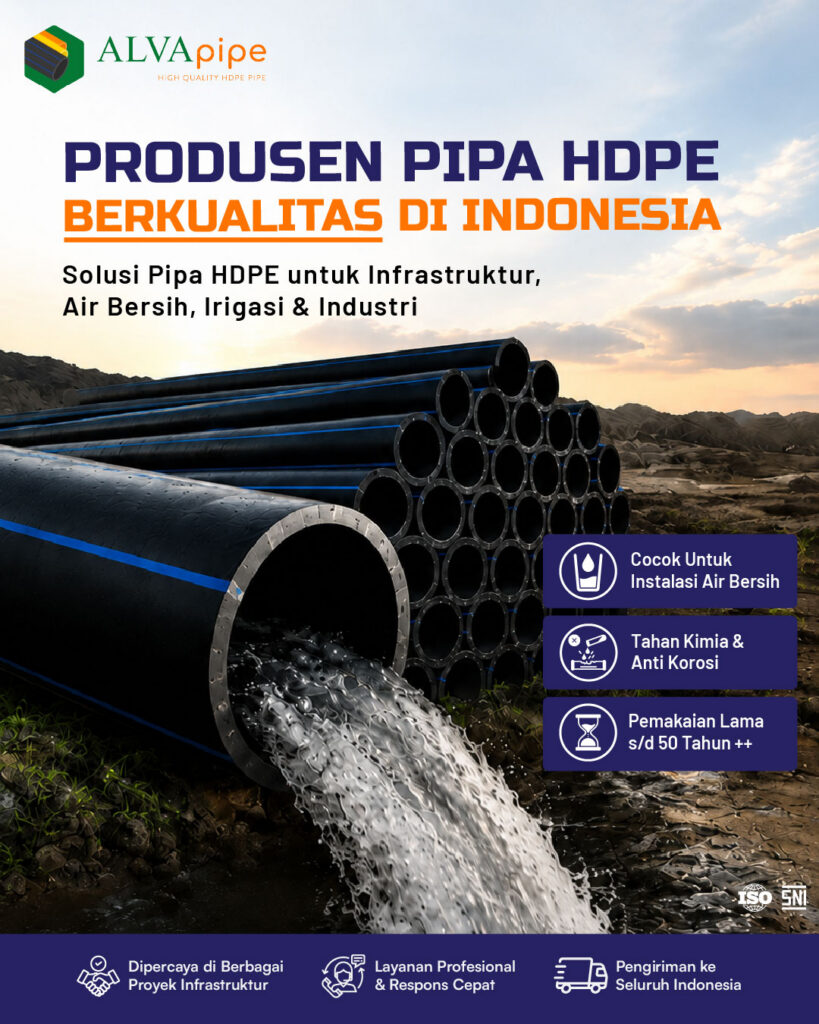
In clean water distribution systems, HDPE pipes are known for their good flexibility, allowing them to follow ground movement without easily cracking. This characteristic makes HDPE pipes resistant to high water pressure while also making them safer for use in underground installations and large-scale water distribution networks.
Meanwhile, for indoor installations, PPR pipes are widely used because they are capable of conveying hot and cold water stably. The joining system using the heat fusion method creates a bond that fuses with the pipe material, making the joint stronger and minimizing the potential for seepage. Compared to conventional joining methods, this technique provides a higher level of safety for long-term use.
The use of quality materials also provides added value in terms of system reliability. Pipes manufactured according to SNI standards and through consistent quality control processes will have more stable performance, allowing the risk of leaks caused by material deterioration to be reduced from the beginning.
Advantages of ALVApipe HDPE and PPR Pipes in Preventing Leaks
Preventing leaks is far more efficient than carrying out repairs after damage has occurred. Therefore, choosing a pipe manufacturer that prioritizes material quality, production processes, and testing standards is an important investment for every clean water installation project.
As an HDPE and PPR pipe manufacturer and supplier, ALVApipe offers products manufactured using high-quality raw materials and through quality control processes that comply with SNI standards and the ISO 9001:2015 quality management system. Each stage of production is designed to produce pipes that are resistant to pressure, impact, and changing environmental conditions, allowing them to deliver consistent performance in long-term use.
With a combination of quality materials, precise dimensions, and controlled production processes, piping systems can operate more optimally while helping reduce the risk of leaks that often contribute to building damage.
Precision Jointing Technology and SNI Pressure Resistance
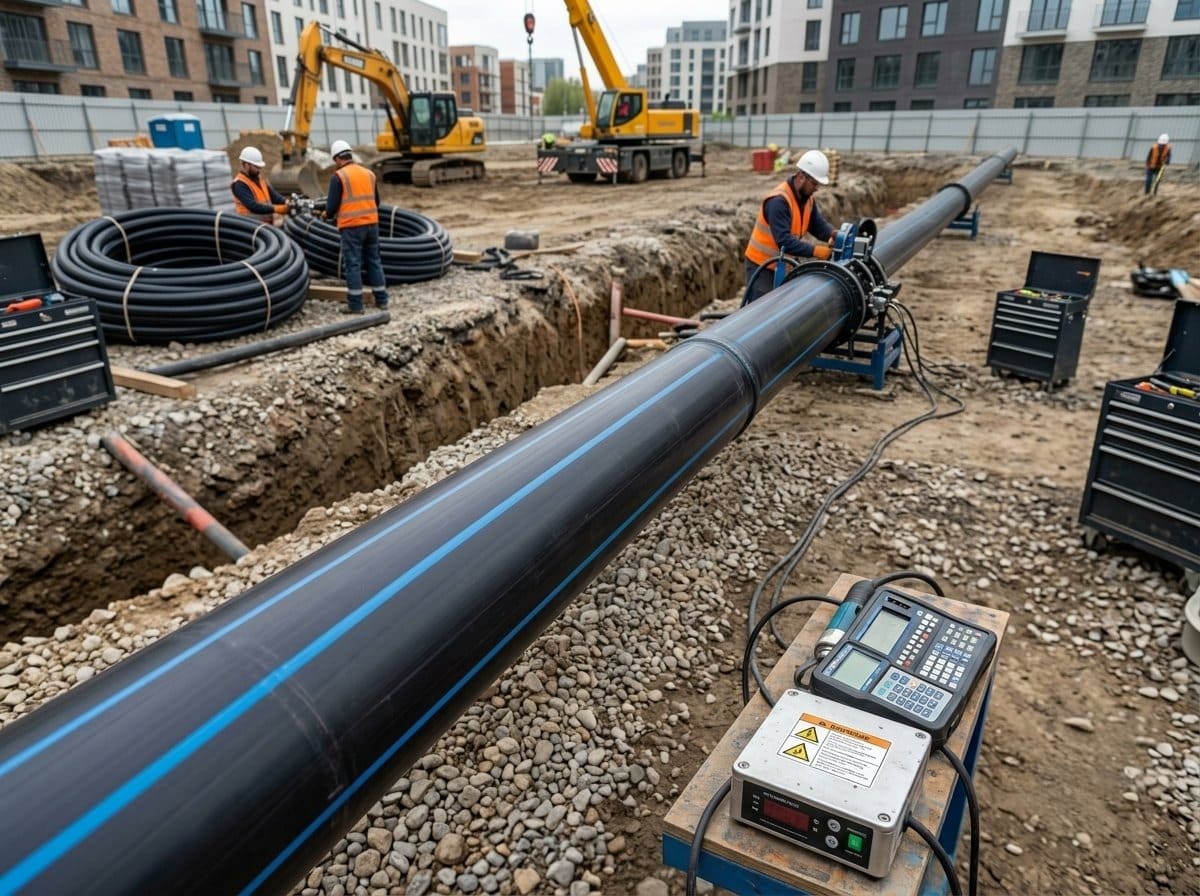
One of the factors that determines the reliability of a piping installation is the quality of its joints. In HDPE pipes, the butt fusion method joins two pipe ends through a heating process until they become a single material. Meanwhile, PPR pipes use the heat fusion method, which produces tight and strong joints, thereby reducing the potential for leaks at the joint points.
These joining technologies provide more even pressure distribution along the installation route. Supported by specifications that comply with SNI standards, the piping system is better prepared to withstand operational pressure while helping maintain stable water flow under various usage conditions.
A Wise Step Toward Long-Term Leak-Free Solutions with ALVApipe
Water pipe leaks often begin with seemingly simple factors, such as choosing unsuitable materials, installation processes that do not comply with standards, or suboptimal joint quality. If left untreated, these small problems can develop into more extensive damage and affect occupant comfort, repair costs, and the overall service life of the piping system.
Therefore, choosing the right piping system from the beginning is a much more beneficial investment than having to carry out repeated repairs in the future. HDPE and PPR pipes manufactured using high-quality raw materials, with precise dimensions, and complying with SNI and ISO 9001:2015 standards can provide better protection against water pressure, changing environmental conditions, and the risk of leaks in the installation.
As a piping manufacturer and supplier trusted for various clean water network needs in Indonesia, ALVApipe provides piping solutions designed to deliver long-term reliability. From HDPE pipes for clean water distribution networks to PPR pipes for hot and cold water installations, all products are manufactured through consistent quality control processes to support optimal piping system performance.
By choosing the right products from the planning stage, you can not only reduce the risk of leaks, but also help maintain operational cost efficiency, extend the service life of the installation, and improve the safety of the water distribution system in the long term.
If you are looking for piping solutions for project needs, area development, material stores, commercial facilities, or clean water installations in residential properties, ALVApipe is ready to be your trusted partner with a selection of HDPE and PPR products that meet national quality standards.
Let’s discuss your water pipe requirements with the ALVApipe team via WhatsApp at +62 877-2666-3295 to get technical consultation and the best price offer tailored to your project or business needs.