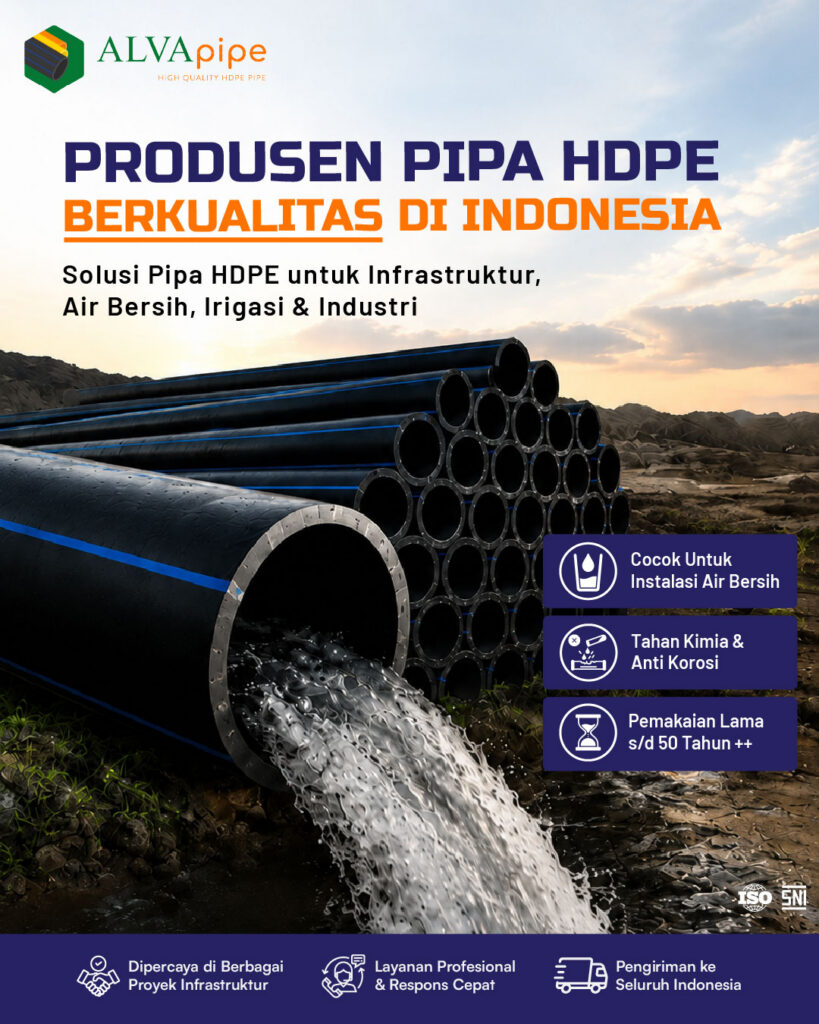

Properly installing water pipes for plantations starts with mapping the land, calculating water flow requirements, selecting the right pipe specifications, and preparing the installation route. Once the pipes have been installed and connected correctly, conduct a pressure test before backfilling to ensure the irrigation system performs according to the design.
Why Should Plantation Water Pipe Installation Account for Land Conditions?
In plantations, water must reach crops evenly, even when the distances between plant rows are long and the terrain varies. A pipeline designed without considering elevation changes, crop water requirements, and pump capacity may result in uneven pressure and inefficient water distribution.
Therefore, first determine whether the plantation uses drip irrigation, sprinkler irrigation, or another water distribution system. Each method requires different flow rates and operating pressures. Pipe diameter and pressure ratings should be selected based on system calculations rather than simply copying the specifications used in another plantation.
Step-by-Step Guide to Installing Water Pipes for Plantations
1. Map the Pipeline Routes and Calculate Water Requirements
Start by marking the water source, pump location, main pipeline routes, distribution branches, valves, and irrigation points. Also, record elevation differences and identify areas where vehicles or heavy machinery may pass.
Flow rate calculations are necessary to determine the required pipe and pump capacities. Consider the number of irrigation points operating simultaneously, pipeline length, friction losses, and the minimum pressure required by the irrigation equipment. These calculations provide the basis for selecting the appropriate pipe diameter and pressure rating.
2. Dig the Trench and Prepare the Ground
Once the pipeline route has been finalized, check for underground cables, drainage lines, and other utilities before excavation. Trench depth and width should be determined according to the pipe diameter, soil loads, ground conditions, and design specifications.
Clear the trench base of sharp stones, hard roots, and other objects that could place pressure on or damage the pipe walls. Use stable, relatively smooth bedding material appropriate for the local soil conditions. If the pipes are installed above ground, arrange suitable supports and protection to prevent concentrated loads or mechanical damage.
3. Join HDPE Pipes Using the Appropriate Method
Before installation, inspect the pipe ends, dimensions, and fitting compatibility. HDPE pipes can be joined using methods suited to the pipe type and system, such as butt fusion, electrofusion, or compatible mechanical fittings.
For fusion joining, the pipe ends must be clean and prepared using the appropriate equipment. Temperature, pressure, heating time, and cooling time must follow the machine procedures and applicable technical instructions. Do not force a joint to move while it is still cooling.
Plan the pipeline layout to minimize unnecessary joints without compromising the need for valves, branch connections, and maintenance access. On uneven terrain, HDPE flexibility helps the pipes follow changes in direction, provided the permitted bending radius is observed.
4. Conduct a Pressure Test Before Backfilling
After completing the joints, inspect the entire pipeline and ensure that all valves and fittings are installed correctly. Pressure testing must follow the project procedures, applicable standards, and the pressure limits of the lowest-rated component in the system.
Increase the pressure in a controlled manner, inspect the joints, and record the test results according to the established procedure. Never apply test pressure beyond the capacity of the pipes or fittings. If leaks are detected or the results fail to meet the requirements, repair the problem and repeat the test before backfilling.
Once the pressure test meets the required acceptance criteria, begin initial backfilling with material that will not damage the pipes. Compact the soil in stages according to the project specifications, then document the pipeline locations to simplify future maintenance.
Advantages of ALVApipe HDPE Pipes for Plantation Irrigation
ALVApipe Water HDPE pipes are made from virgin PE-100 material and are available in various diameters and pressure ratings to suit different water distribution network requirements. Their smooth inner surfaces help reduce friction-related pressure losses, while the material’s flexibility makes handling easier along long pipeline routes and across uneven terrain.
HDPE material also offers resistance to corrosion and various chemicals. For installations exposed to direct sunlight, make sure the selected product specifications are suitable for UV exposure. Compatibility with fertilizers or pesticides must also be checked based on the substance type, concentration, and operating conditions.
ALVApipe Water holds product certification under SNI 4829.2:2015 and has a Domestic Component Level (TKDN) value of 69.42%. PT Alpha Cikupa Makmur implements an ISO 9001:2015 quality management system. A service life of up to approximately 50 years is an estimate that depends on system design, operating pressure, environmental conditions, and installation quality.
Procuring Irrigation Pipes for Plantation Applications
Pipe procurement should begin after the network design and material requirements have been prepared. Provide details such as pipeline length, diameter, pressure rating, installation method, and required fittings to ensure the selected specifications suit the project conditions.
Explore product options and specifications on the official ALVApipe website. For individual purchases or available accessories, visit the ALVApipe Official Store on Shopee. You can also find product information and company updates on ALVApipe’s Instagram account.
With proper planning, installation in accordance with established procedures, and pressure testing before operation, an irrigation network can support more efficient and controlled water management across plantation areas.
Discuss your requirements for pipe diameter, pressure rating, and pipe length with the ALVApipe team via WhatsApp at +62 877-2666-3295, or click the Contact Us button below.