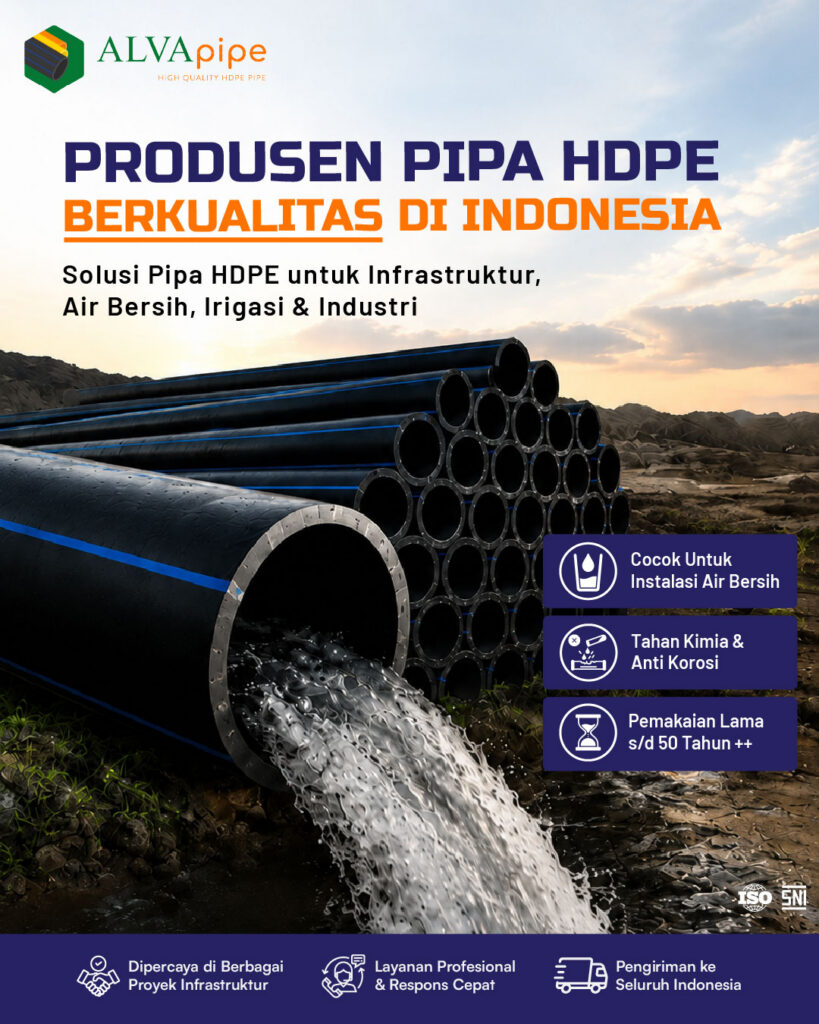

The right irrigation pipes help distribute water more evenly throughout the garden. When determining the best pipe recommendations for gardens, consider the land area, water requirements, pump pressure, and installation conditions. HDPE pipes can be one option because they are flexible and available in various sizes and pressure classes.
Why Does Pipe Selection Determine the Success of Garden Irrigation?
In gardens with multiple rows of plants, water must flow from the source to every watering point at the appropriate pressure. If the water flows more strongly near the pump but weakens at the end of the line, one aspect to check is the design of the pipe network.
Pipe length, elevation changes, pipe diameter, and the number of branches can affect water distribution. Therefore, it is best to determine the location of the water source, main lines, and watering points before purchasing the materials.
If you are still considering pipe materials and specifications for agricultural land, you can refer to the guide on choosing agricultural pipes to help prevent frequent leaks. This guide can serve as an initial reference before determining your installation requirements.
Getting to Know ALVApipe HDPE Pipes for Garden Irrigation
HDPE pipes can be used for garden water distribution networks that require flexible materials. However, their selection must still be adjusted to the required flow rate, operating pressure, and environmental conditions where the pipes will be installed.
PE-100 Material for Water Distribution Systems
ALVApipe Water uses virgin Polyethylene PE-100 material. This product complies with SNI 4829.2:2015 and has a Domestic Component Level (TKDN) value of 69.42%.
These specifications can be considered when selecting pipes for water distribution networks. In addition to the material, pay attention to the outside diameter, pressure class, joining method, and manufacturer’s installation instructions.
For outdoor applications, exposure to sunlight should also be taken into consideration. Make sure the product specifications are suitable for the planned installation conditions. Similarly, if the pipes will be used in a fertigation system, their compatibility with fertilizer solutions or certain chemicals should be checked beforehand.
Information on product sizes and specifications is available on the ALVApipe HDPE Pipe page.
Flexible to Follow the Land’s Contours
Garden terrain is not always flat. Some areas have slopes, terraces, or winding paths that follow the rows of plants. The flexibility of HDPE pipes can make routing easier in these conditions, provided that the bending radius and installation limits are observed.
For long routes, HDPE pipes supplied in rolls can also reduce the number of joints in certain sections of the installation. However, joints must still use appropriate methods and components to ensure the network functions as intended.
To understand their advantages and limitations, also read the article on the advantages and disadvantages of HDPE pipes for agriculture.
How to Choose the Right Pipe Type and Size for Gardens
Pipe size should not be determined solely by the size of the land. The required water flow rate, pump pressure, network length, and number of watering points also determine the appropriate specifications.
Match the Diameter to the Distribution Lines
The main line carries water from the source to the garden area, while branch pipes distribute water to the rows of plants. Since their flow requirements may differ, the diameters of the main and branch pipes do not necessarily have to be the same.
Pipes with diameters that are too small can increase pressure loss, especially along long routes. Conversely, using excessively large diameters without proper calculations can increase material costs without providing proportional benefits.
For drip irrigation systems, also consider the emitter pressure requirements and lateral tubing specifications. If you are unsure which material to choose, you can use the guide to selecting pipe materials for various applications as an additional reference.
Consider Roll Pipes for Long Routes
HDPE roll pipes can be a practical option for certain irrigation routes because they are relatively easy to handle and can reduce the number of joints in specific sections. The available roll lengths, diameters, and pressure classes should still be confirmed based on the product variant.
When comparing prices for 100-meter HDPE roll pipes, do not look only at the length and selling price. Check the diameter, wall thickness, pressure class, and compatibility with the pump capacity. For complex networks, seek technical assistance to ensure that specifications are not determined solely by estimates.
Consider the Use of Fertilizers and Pesticides
Some gardens use fertigation systems to deliver water and fertilizer through irrigation networks. If your system also distributes fertilizer or pesticide solutions, make sure the pipe material and other components are compatible with the substances being used.
Resistance to one type of chemical does not automatically guarantee compatibility with all formulations. The type of substance, concentration, temperature, and duration of exposure should be considered before selecting the material.
Tips for Installing and Maintaining Irrigation Pipes
In addition to choosing the right material, proper installation and regular inspections also help determine the performance of a pipe network. Here are several steps you can take:
- Map the water routes. Determine the locations of the water source, pump, main lines, branches, and valves.
- Check the flow rate and pressure. Make sure the pump can meet the requirements of all watering points.
- Use suitable joints. Choose compatible fittings and follow the joining procedures for the type of pipe being used.
- Test the network before use. Check for leaks and ensure the water flow meets the required needs.
- Conduct regular inspections. Look for damage caused by gardening tools, ground movement, or work carried out around the pipe routes.
These inspections help detect problems early so repairs can be made before water distribution to the plants is disrupted.
Choosing ALVApipe HDPE Pipes for Garden Needs
ALVApipe is a brand of PT Alpha Cikupa Makmur, with production facilities in Cikupa and the Jatake Industrial Estate, Tangerang. ALVApipe Water is available in outside diameters (OD) ranging from 20–250 mm, with pressure classes from PN 6.3 to PN16, depending on the product variant.
If you are looking for HDPE pipes for your garden, match the product specifications to your irrigation network requirements first. Consider the size, operating pressure, installation conditions, and joining method to ensure a more suitable material selection.
Product and company information is available through the official ALVApipe website. You can also explore the product selection through the ALVApipe Shopee Official Store or follow the latest updates on Instagram ALVApipe.
Let’s discuss your agricultural HDPE pipe requirements with ALVApipe! Contact the ALVApipe team via WhatsApp at +6287726663295 or click Contact Us below for recommendations on suitable specifications and the best price offers!