Water pipes generally produce a buzzing sound due to water pressure surges (water hammer), improper installation, or the use of pipe materials that are not suitable for the needs of the piping system. Buzzing, vibrating, or rumbling sounds coming from a piping installation are often considered a minor issue. In fact, these conditions can indicate a disruption in the water distribution system which, if left unaddressed, may accelerate damage to pipes, connections, and other plumbing fixtures.
This issue is not only found in residential buildings, but also in office buildings, commercial areas, public facilities, and new construction projects. This is why many homeowners, installation contractors, building managers, and area developers seek to understand why water pipes are buzzing and how to effectively address the issue before the damage becomes more serious.
In piping installation practices, excessive noise is not always caused by water pressure that is too high. The choice of pipe type, material quality, connection method, support system, and water flow characteristics all play equally important roles. Understanding the cause from the beginning helps reduce the risk of leaks, extend the service life of the installation, and maintain stable water distribution over the long term.
Causes of Buzzing and Vibrating Water Pipes Inside Buildings
Buzzing sounds in piping installations occur when vibrations from the water flow travel through the pipe walls and are then transferred to building structures such as walls, ceilings, or floors. As a result, occupants may hear buzzing, rumbling, or even fairly loud knocking sounds when the faucet is opened or closed.
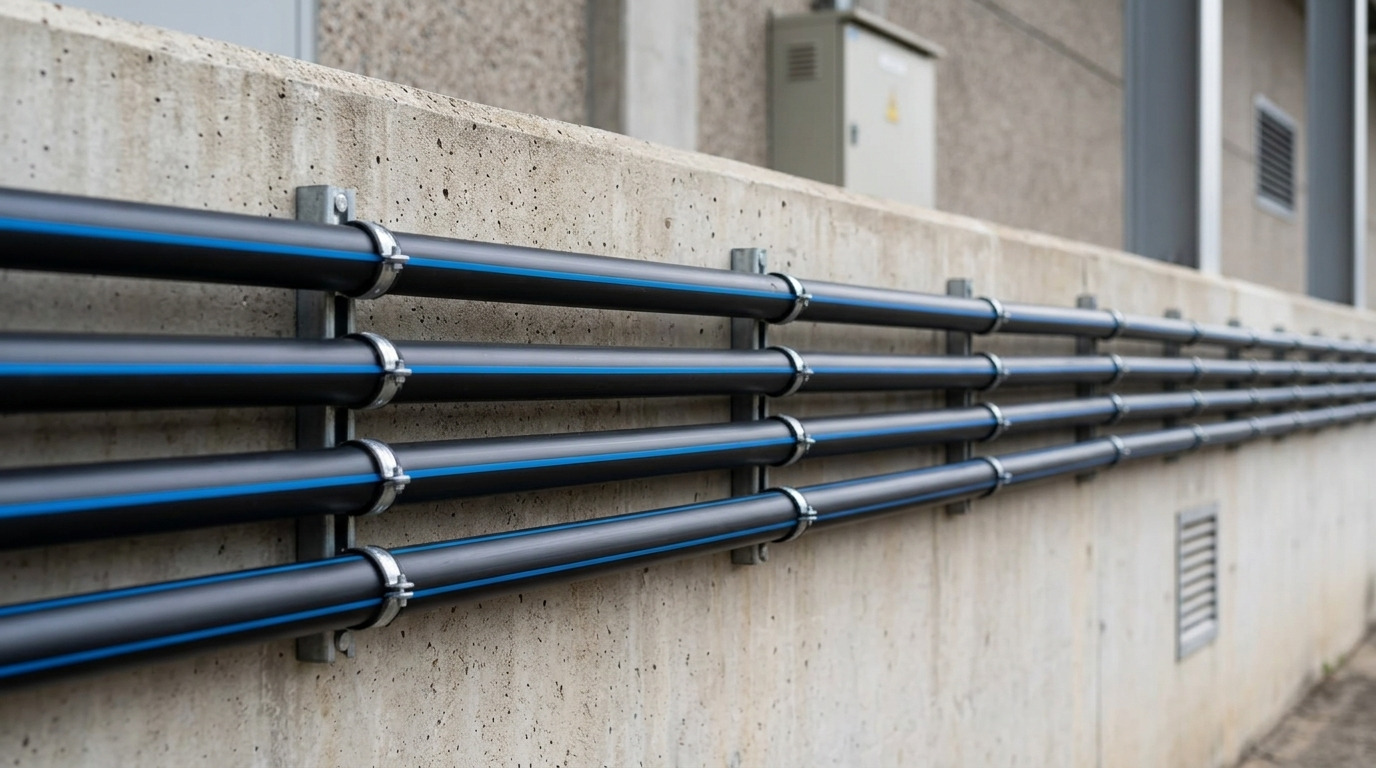
This condition can be triggered by excessively high water pressure, inadequate pipe supports, pipe diameters that are not suitable for the flow rate, or the quality of the pipe material used. In some installations, pipes with insufficient wall thickness are also more likely to transmit vibrations, making the buzzing sound more noticeable, especially when the water pump starts operating.
In many cases, buzzing sounds from residential water pipes are also caused by installation connections that have become loose due to imprecise installation. Connections that are not properly secured can become weak points when exposed to high water pressure. Over time, repeated vibrations can widen gaps at the connections, making the noise louder and increasing the risk of leaks.
Therefore, checking water pressure alone may not necessarily solve the problem. The piping system needs to be evaluated comprehensively, starting from the type of material used, the quality of installation, to the condition of each connection, so that the source of the vibration can be properly identified.
Water Hammer Phenomenon and Excessive Water Pressure Surges
One of the most common reasons why water pipes buzz is the phenomenon known as water hammer or water pressure shock. This condition occurs when water flowing at high speed suddenly stops, for example, when a faucet or valve is closed abruptly. The energy that previously drove the water flow is converted into pressure waves that travel back and forth along the piping network.
In the world of piping installation, water hammer is one of the most common issues encountered, particularly in water distribution systems that use high-pressure pumps or have long piping routes. If it occurs repeatedly, these pressure waves can accelerate the wear of fittings, loosen connections, and even increase the risk of leaks at certain points.
Many people assume that the solution for dealing with vibrating water pipes when a faucet is opened is simply to reduce the pump pressure. In fact, this step only reduces the symptoms without addressing the root cause. Inspection of the pipe material quality, connection method, installation layout, and pipe support system is still necessary so that the entire piping network can optimally absorb vibrations and operate more stably over the long term.
The Importance of Choosing Quality Pipe Materials to Reduce Noise
Addressing buzzing sounds in a water installation is not enough by simply adjusting the pump pressure or replacing the faucet. In many cases, the root of the problem actually comes from the quality of the pipe material used. Materials with good characteristics can help absorb vibrations, maintain stable water flow, and reduce the risk of noise occurring while the system is operating.
This is why pipe selection should not only consider price, but also considers the quality of the raw materials, pipe wall thickness, production standards, and connection methods. This combination will determine how well the piping system can operate over the long term without causing noise disturbances or leaks.
Advantages of Quality HDPE and PPR Pipes in Absorbing Pressure Waves
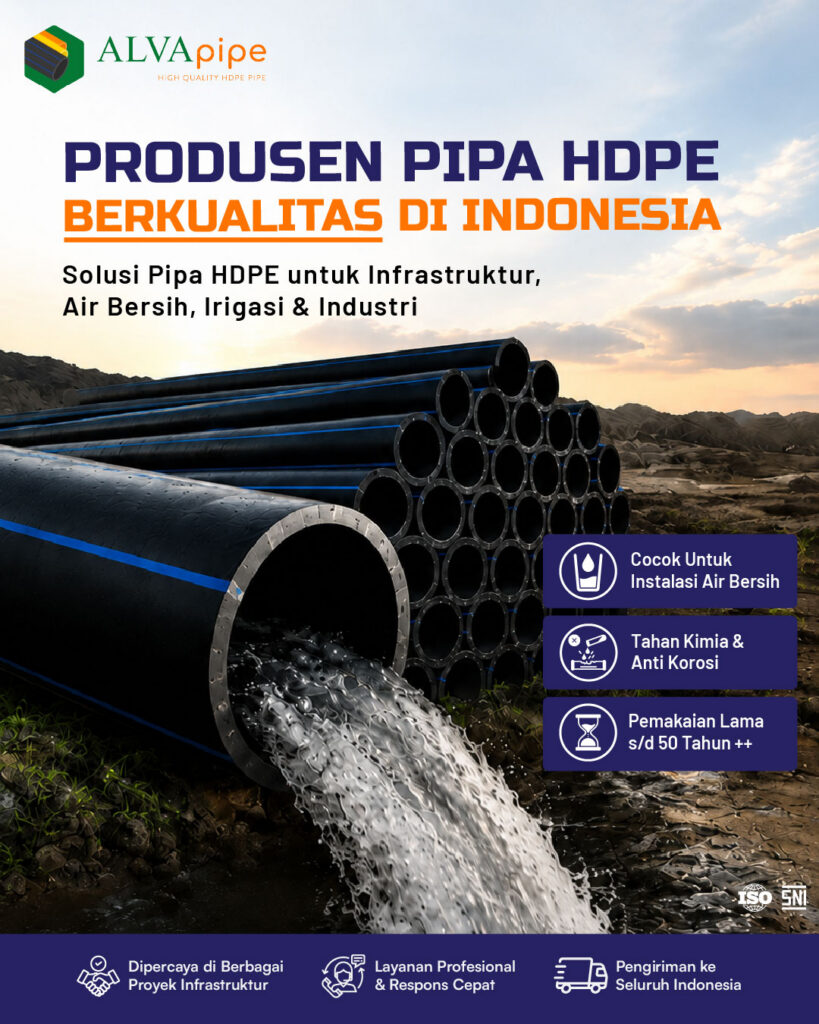
HDPE pipes have flexible characteristics that allow them to absorb some of the energy from water pressure surges. This property helps reduce the effects of water hammer, resulting in smaller vibrations traveling along the piping network compared to the use of more rigid materials. This flexibility also allows HDPE pipes to better adapt to ground movement without easily cracking or breaking.
For hot and cold water installations inside buildings, PPR pipes offer an advantage through their heat fusion connection system. This process creates a permanent, seamless joint, allowing water to flow more consistently without gaps that could potentially cause vibrations or leaks in the future.
The quality of the raw materials used in the production process also has a significant influence on the performance of the piping system. High-quality raw materials produce pipes with more consistent wall thickness, stable pressure strength, and better resistance to changes in temperature and operating pressure. The result not only increases the service life of the installation, but also helps keep the water distribution system quiet during use.
As a piping manufacturer that has implemented an ISO 9001:2015 quality management system and produces various types of SNI standard pipes, ALVApipe provides HDPE and PPR piping solutions designed to meet clean water installation needs across various sectors. From residential buildings, commercial buildings, public facilities, to infrastructure projects, each product is manufactured through a consistent quality control process to deliver reliable performance and long-term durability.
Pressure-Resistant and More Comfortable Piping Solutions with ALVApipe
A good piping system is not only capable of delivering water smoothly, but also maintaining the comfort of building occupants by minimizing noise during use. Therefore, the best solution is not simply to repair the problematic part, but to ensure that all piping components use suitable materials from the planning stage through installation.
Precise Thickness and SNI Standards for Installation Comfort
Precisely manufactured pipe wall thickness plays an important role in maintaining stable water pressure while helping reduce resonance that triggers buzzing sounds. When pipe dimensions comply with standards, water can flow more steadily, reducing the risk of vibrations traveling to the building structure.
On the other hand, the proper connection method is also an important factor in creating a quieter piping installation. Properly fused connections can maintain the continuity of water flow while reducing the possibility of gaps that could potentially cause noise or leaks in the future.
ALVApipe manufactures HDPE and PPR pipes using controlled manufacturing processes supported by SNI standards and an ISO 9001:2015 quality management system. Each stage of production is carried out consistently to produce pipes with uniform quality, optimal pressure strength, and reliable performance for various clean water installation needs.
Whether used in residential buildings, commercial areas, high-rise buildings, or infrastructure projects, choosing quality pipes from the beginning is a more efficient step than having to carry out repeated repairs due to the use of unsuitable materials. Investing in the right piping system will help maintain smooth water distribution while creating an installation that is quieter, safer, and durable for years to come.
Investing in a Quiet and Problem-Free Piping System with ALVApipe
Buzzing sounds in water pipes are not merely a disturbance to comfort, but can also be an indicator that the piping system requires further attention. Starting from water hammer, unstable water pressure, imprecise installation, to improper pipe material selection, various factors can cause vibrations and noise in the installation. The sooner the cause is identified, the greater opportunity to prevent more serious damage and save on maintenance costs in the future.
Using quality pipes manufactured according to standards is one of the best steps toward creating a more stable, safe, and long-lasting water distribution system. HDPE and PPR pipes manufactured with consistent quality control can deliver optimal performance for various installation needs, whether for residential buildings, commercial buildings, public facilities, or large-scale infrastructure projects.
As a manufacturer that has implemented an ISO 9001:2015 quality management system and provides various SNI standard piping products, ALVApipe is committed to providing reliable piping solutions to support a more efficient and comfortable clean water distribution system for long-term use. With production facilities in Tangerang, adequate supply capacity, and an experienced team, ALVApipe is ready to become a trusted partner in meeting piping needs for various project scales and residential installations.
Come and consult your water pipe needs with the ALVApipe team via WhatsApp +6287726663295 to get product recommendations, technical consultation, and the best price offers tailored to your project or building material store needs.