Budget pressure in construction projects often leads to one important question: is there a more affordable pipe material option without sacrificing quality?
Pipe materials are one of the largest procurement components in water infrastructure projects. Even a small price difference per meter can significantly impact the total project budget.
However, choosing the wrong material simply to reduce upfront costs almost always results in much higher expenses in the future.
This is the dilemma that must be solved carefully.
Common Types of Water Pipes Used in Projects
Before making a decision, it is important to understand the types of water pipes available on the market and the characteristics of each.
1. HDPE Pipes (High-Density Polyethylene)
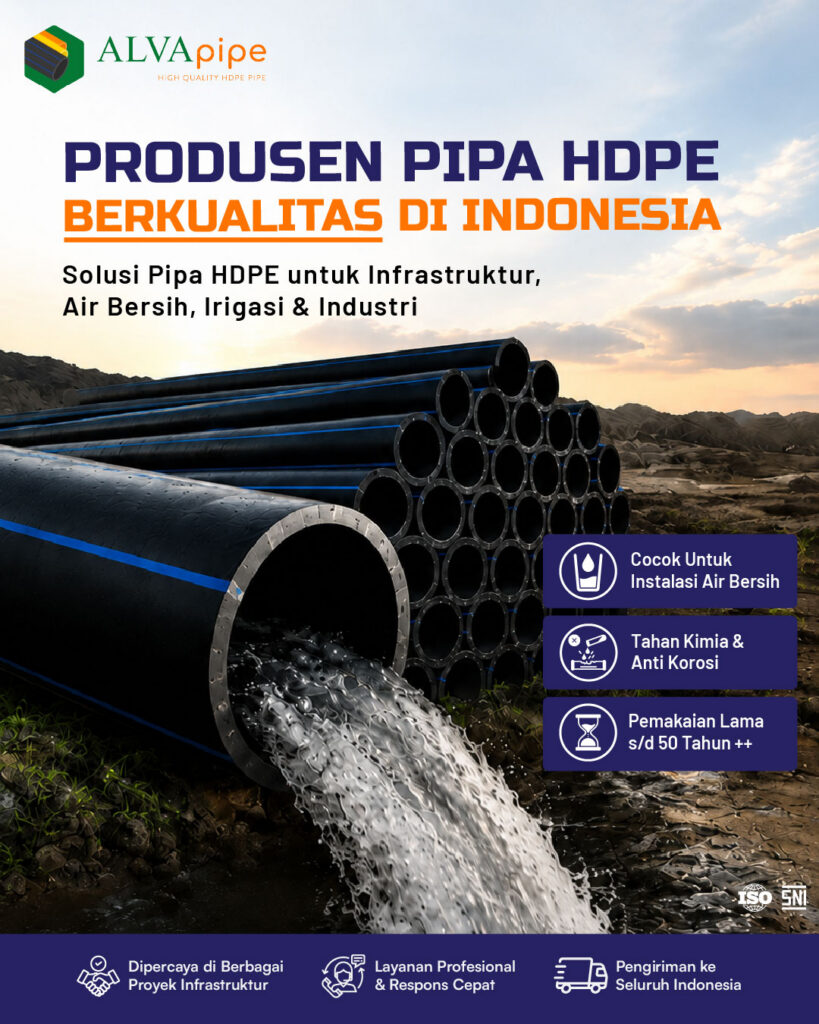
A high-density polyethylene material known for its flexibility, corrosion resistance, and long service life of up to 50 years.
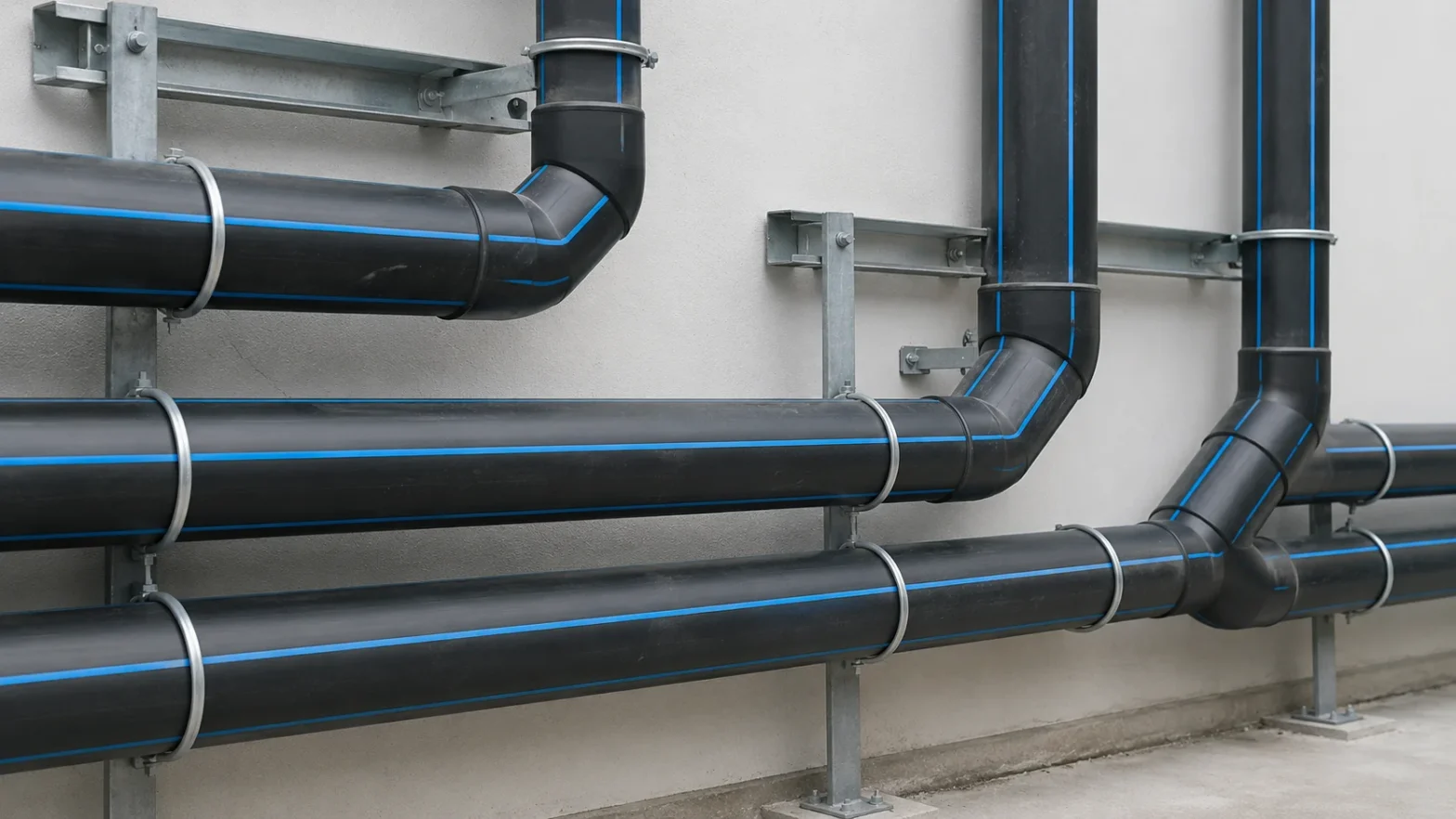
Ideal for high-pressure clean water distribution systems, underground installations, and areas with unstable soil conditions.
HDPE pipes are also available in various diameters and pressure ratings to match specific project requirements.
2. PPR Pipes (Polypropylene Random Copolymer)
A popular choice for hot and cold water installations inside buildings. Resistant to high temperatures, rust-free, and equipped with a smooth inner surface that helps maintain water quality. Commonly used in apartment units and commercial building plumbing systems.
3. PVC Pipes (Polyvinyl Chloride)
A material widely used in the construction industry and commonly available at water pipe stores and pipe distributors across Indonesia. More affordable and easy to install.
Best suited for drainage systems, wastewater channels, and non-high-pressure installations. In building projects, PVC is often used for sewage and rainwater systems.
4. Galvanized Pipes
Steel pipes coated with zinc for corrosion protection. Structurally stronger but heavier, more expensive to install, and requiring more intensive maintenance compared to plastic materials.
5. Ductile Iron Pipes
An extremely strong and impact-resistant material commonly used for city-scale water distribution networks and large-scale infrastructure projects. More expensive than plastic materials and requiring specialized installation expertise.
Why “Cheap Prices” Are Not Always More Cost-Efficient
This is one of the most expensive misconceptions in project material procurement. Lower purchase prices often hide additional costs that only appear after the system begins operating.
1. Hidden Costs That Are Often Overlooked
Low-quality materials tend to have a higher risk of leakage. When leaks occur inside building structures, repair costs include dismantling expenses, labor costs, and operational disruptions.
2. Higher Maintenance Costs
Materials with shorter lifespans require more frequent inspections and maintenance. Over time, accumulated maintenance costs can exceed the initial savings.
3. Unplanned Early Replacement
Piping systems that should last 30 to 50 years may require premature replacement because the material fails to maintain its performance.
Replacing piping systems already integrated into infrastructure is one of the most expensive expenses project managers can face.
A More Efficient Alternative: Focus on Long-Term Value
A smarter approach to selecting pipe materials is applying the total cost of ownership concept, which considers not only the initial purchase price but also estimated maintenance costs, potential repair costs, and operational expenses throughout the system’s lifespan.
Materials that cost more upfront but are durable and low-maintenance tend to be more economical in the long run. The best investment is not the cheapest offer, but the one that delivers the greatest long-term value throughout the project lifecycle.
Why HDPE Pipes Are Becoming a Popular Alternative
In terms of total cost of ownership, HDPE pipes are increasingly chosen as the primary material for various water infrastructure projects. Several factors drive this trend:
1. Durable and Low Maintenance
With an estimated service life of up to 50 years and natural resistance to corrosion and abrasion, HDPE pipes do not require additional protective coatings or periodic replacement like metal pipes.
2. Flexible and Pressure Resistant
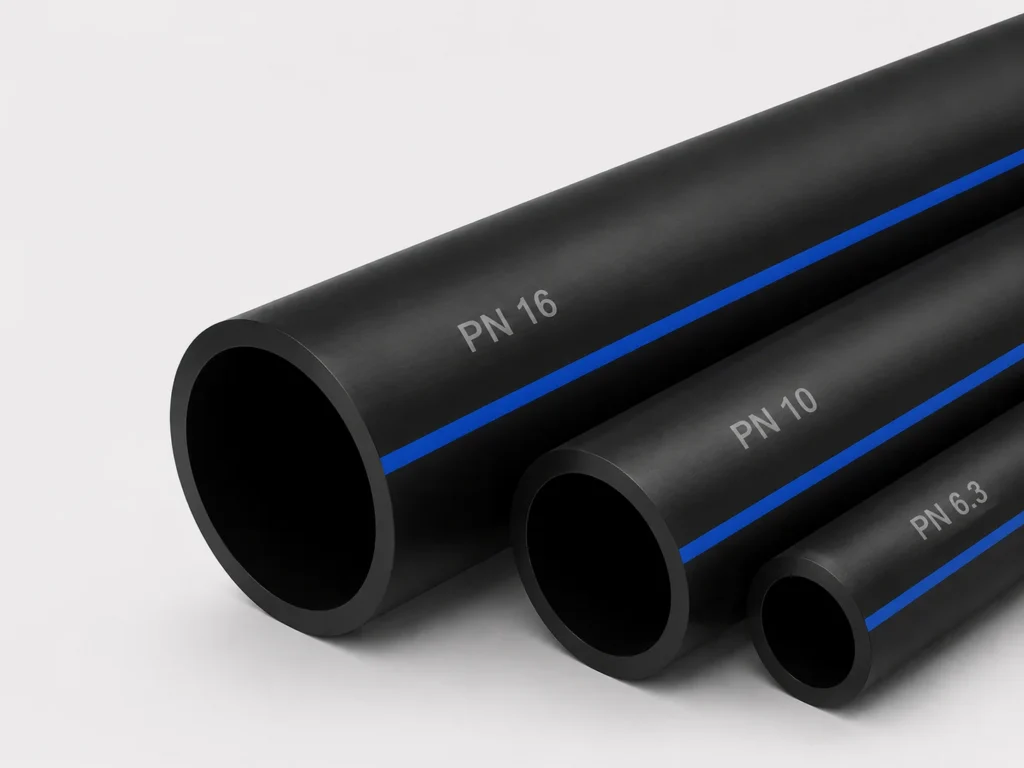
HDPE material has elasticity exceeding 700%, allowing it to adapt to ground movement without cracking or leaking.
HDPE pipes are also available in pressure classes ranging from PN 6.3 to PN 16 to meet specific project requirements.
3. Suitable for Various Types of Projects
HDPE pipes are widely used in clean water distribution systems, irrigation networks, urban infrastructure, industrial zones, and large-scale housing developments. Their application flexibility makes them one of the most versatile piping materials on the market.
4. More Efficient in the Long Run
The smooth inner surface minimizes flow resistance and helps maintain water pressure efficiency throughout the network.
Combined with fusion joint systems that provide high-integrity connections, HDPE pipes create efficient and reliable water distribution systems compared to many other alternatives.
When Are HDPE Pipes the Best Choice?
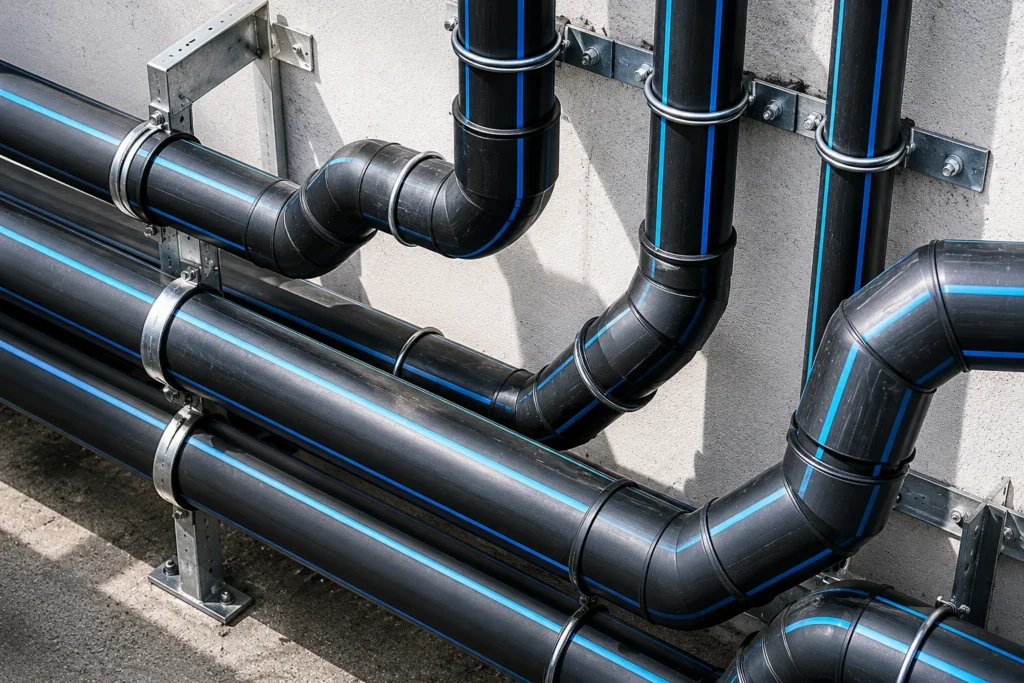
Because HDPE differs significantly from standard PVC or metal pipes, it becomes the best solution in the following conditions:
- Underground Clean Water Networks (Municipal Water and Housing): HDPE pipes are suitable for underground clean water systems because they are food-grade, rust-free, and resistant to moss growth.
- Earthquake-Prone or Unstable Soil Areas: HDPE has high elasticity, allowing it to follow ground movement without cracking or breaking. Ideal for unstable or earthquake-prone regions.
- Difficult Terrain (Mountains, Swamps, or Underwater): Due to their flexibility, HDPE pipes can follow complex routes with fewer additional fittings.
- Chemical and Industrial Waste Channels: HDPE is resistant to acidic and alkaline chemicals, making it safe for factories, industrial zones, and mining operations handling corrosive liquid waste.
- Natural Gas and Biogas Distribution: Specialized HDPE gas pipes use butt fusion or electrofusion methods to create airtight joints suitable for pressurized gas distribution.
ALVApipe: High-Quality HDPE Pipe Solutions Directly from the Manufacturer!
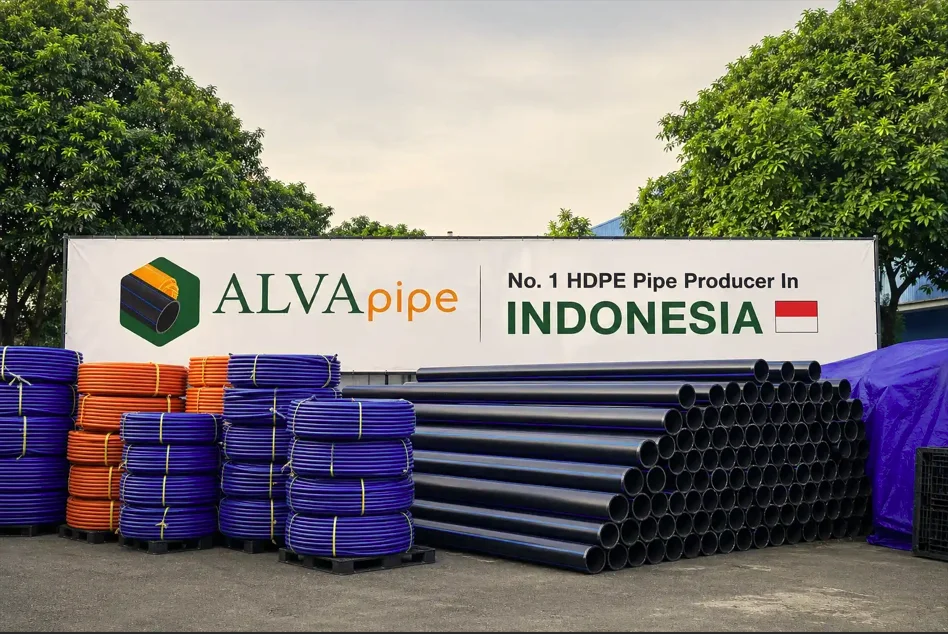
The right water pipe alternative should provide long-term value for your project. By considering durability, maintenance costs, and operational efficiency, the decisions made today will strongly influence future project success and efficiency.
With its combination of durability, flexibility, and long-term efficiency, HDPE pipe is one of the most practical alternatives for modern water infrastructure projects.
Ready to choose the right HDPE water pipe for your project? Consult directly with the ALVApipe team today!
PT Alpha Cikupa Makmur, through the ALVApipe brand, provides SNI and ISO certified HDPE water pipes in various diameters and technical specifications, directly from the manufacturer without intermediaries.
Contact the ALVApipe team via WhatsApp at +6287726663295 to get product recommendations and the best pricing offers tailored to your project needs!