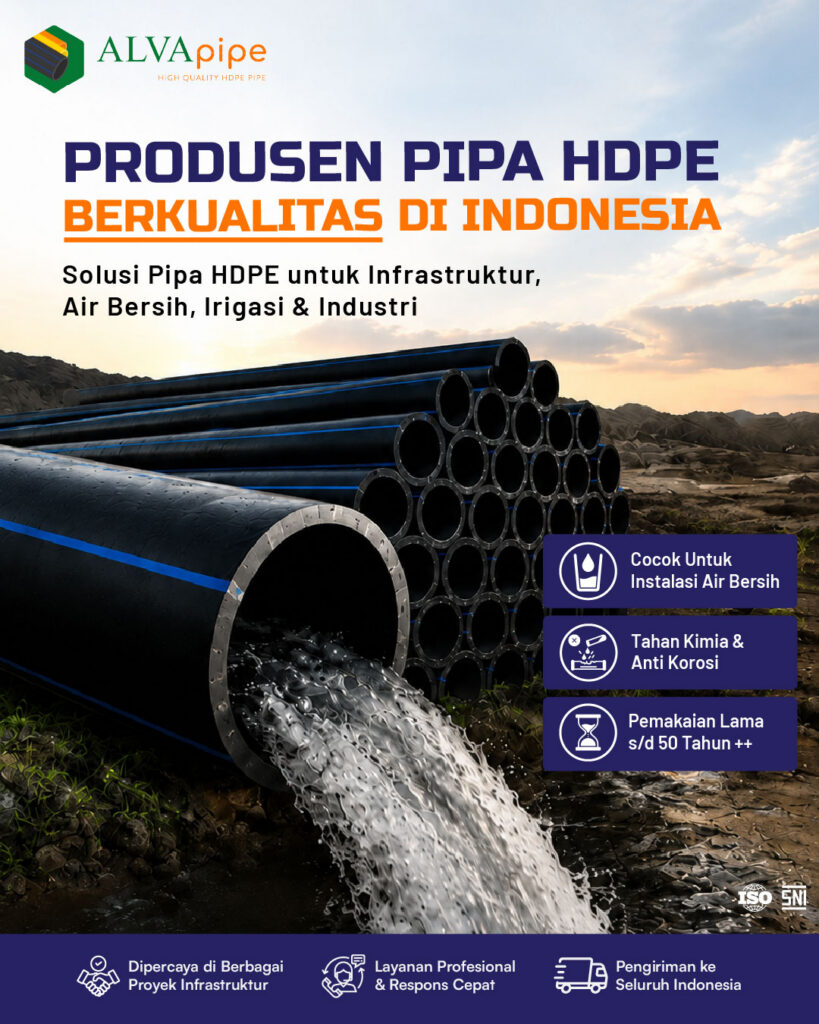
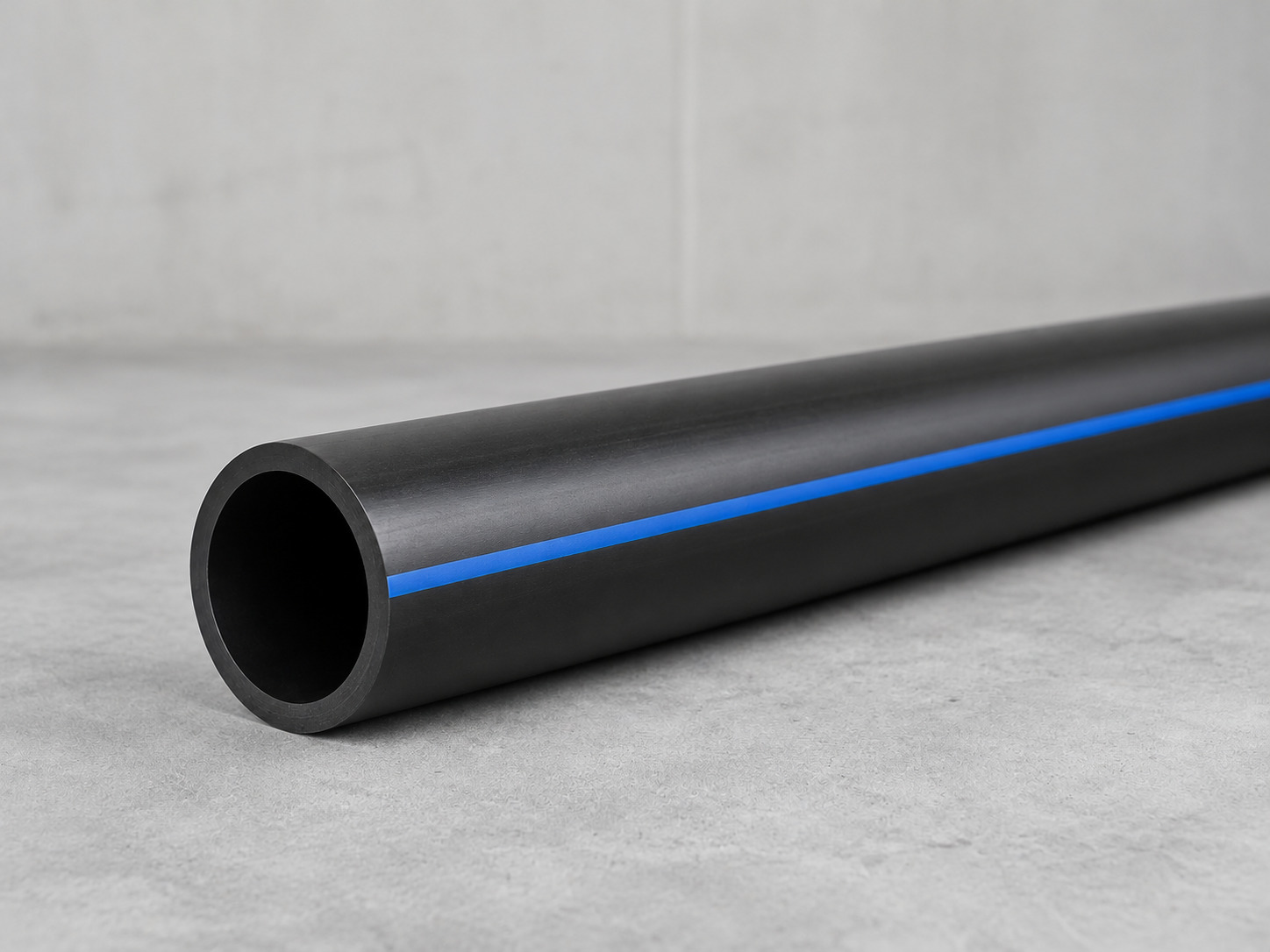
A 1-inch HDPE pipe has an outside diameter (OD) of 32 mm. This is the standard reference size for the pipe, not the result of a direct mathematical conversion from inches to millimeters. Understanding this distinction helps homeowners, technicians, and contractors select compatible pipes and fittings.
Why Is Converting Pipe Sizes from Inches to Millimeters Often Confusing?
When repairing household water supply lines or planning a garden irrigation network, pipe sizes are often specified in inches. However, technical specifications and fitting compatibility checks also use millimeters. This difference can be confusing, especially when someone assumes that a pipe’s nominal size always matches its physical diameter.
Mathematically, 1 inch equals 25.4 mm. However, for the nominal 1-inch HDPE pipe discussed in this article, the reference outside diameter is OD 32 mm. Therefore, use the specified pipe diameter rather than relying solely on unit conversion when planning your installation requirements.
The Correct Answer: What Is the Diameter of a 1-Inch HDPE Pipe in Millimeters?
A 1-inch HDPE pipe has an outside diameter of 32 mm (OD 32 mm). The outside diameter is the distance between two opposite outer edges of the pipe, measured through its center.
Understanding the Standard Outside Diameter of HDPE Pipes: OD 32 mm
The outside diameter is an important reference when matching pipes with fittings or other connection components. Meanwhile, the inside diameter can vary depending on the pipe’s wall thickness. Wall thickness is related to the product’s SDR value and pressure rating.
Before purchasing, check the outside diameter, PN rating, SDR, and connection specifications. This helps prevent material selection errors that could delay installation or result in incompatible components.
ALVApipe 1-Inch HDPE Pipe Specifications
HDPE pipes are used for various water distribution applications, including household water supply lines and irrigation networks. ALVApipe, manufactured by PT Alpha Cikupa Makmur in Tangerang, provides piping products for installation requirements, with specifications that should be selected according to the intended application.
PN10 SDR17 and PN16 SDR11 Options
In the product range described, HDPE pipes are available in PN10 SDR17 and PN16 SDR11 variants. PN indicates the nominal pressure rating, while SDR represents the ratio of the pipe’s outside diameter to its wall thickness.
In general, a lower SDR value indicates a thicker pipe wall for the same outside diameter. However, product selection should not be based on the PN rating alone. Actual pressure, temperature, installation conditions, and network design must also be considered.
Coiled and Per-Meter HDPE Pipes
HDPE pipes may be available in 100-meter coils or sold by the meter, depending on the product variant. Coiled pipes can facilitate the installation of certain routes that require flexibility, while straight-length pipes may be suitable for applications where installation lengths can be planned more precisely.
Confirm the available formats and lengths before ordering to ensure they meet your on-site requirements.
Why Is PE-100 Material Important for HDPE Pipes?
HDPE stands for High-Density Polyethylene, a polymer material used in various piping systems. According to the supplied product information, ALVApipe’s entire HDPE pipe range uses virgin-grade PE-100 material rather than recycled material blends. PE-80 is no longer used in ALVApipe’s production range, but this does not mean that PE-80 material has been universally prohibited for all applications.
Flexibility and Durability for Installation
HDPE pipes have flexible characteristics that can help accommodate certain installation routes and allow for ground movement within their design limits. Polyethylene also does not rust like metal. The relatively smooth inner surface helps reduce flow resistance, although water quality and installation conditions can still affect deposit formation.
For installations in exposed areas, UV resistance depends on the product formulation and specifications. Similarly, the ability to withstand water pressure surges, or water hammer, does not eliminate the need for proper network design, pressure rating selection, and installation practices.
Key Considerations for Clean Water Supply Lines
For clean water supply lines, select pipes based on operating pressure, flow requirements, applicable standards, and product conformity documentation. If the pipes will be used for drinking water, ensure that the relevant material safety requirements and evidence of suitability for that application have been met. A food-grade claim cannot be established solely by identifying the material as PE-100.
ALVApipe product information references SNI 4829.2:2015 and a Domestic Component Level (TKDN) of 69.42%. ISO 9001:2015 relates to a company’s quality management system rather than product certification.
How to Choose ALVApipe 1-Inch HDPE Pipes
Before purchasing, confirm your requirements for an OD 32 mm pipe, pressure rating, pipeline length, pipe format, and joining method. For technical applications, request confirmation of the product specifications that suit your installation conditions.
Visit the ALVApipe website for product information or explore the available options through Shopee ALVApipe. For project requirements, bulk procurement, or specification consultations, contact the ALVApipe team via WhatsApp at +6287726663295 or click the [Contact Us] button below to discuss your needs and request a quotation tailored to your requirements.