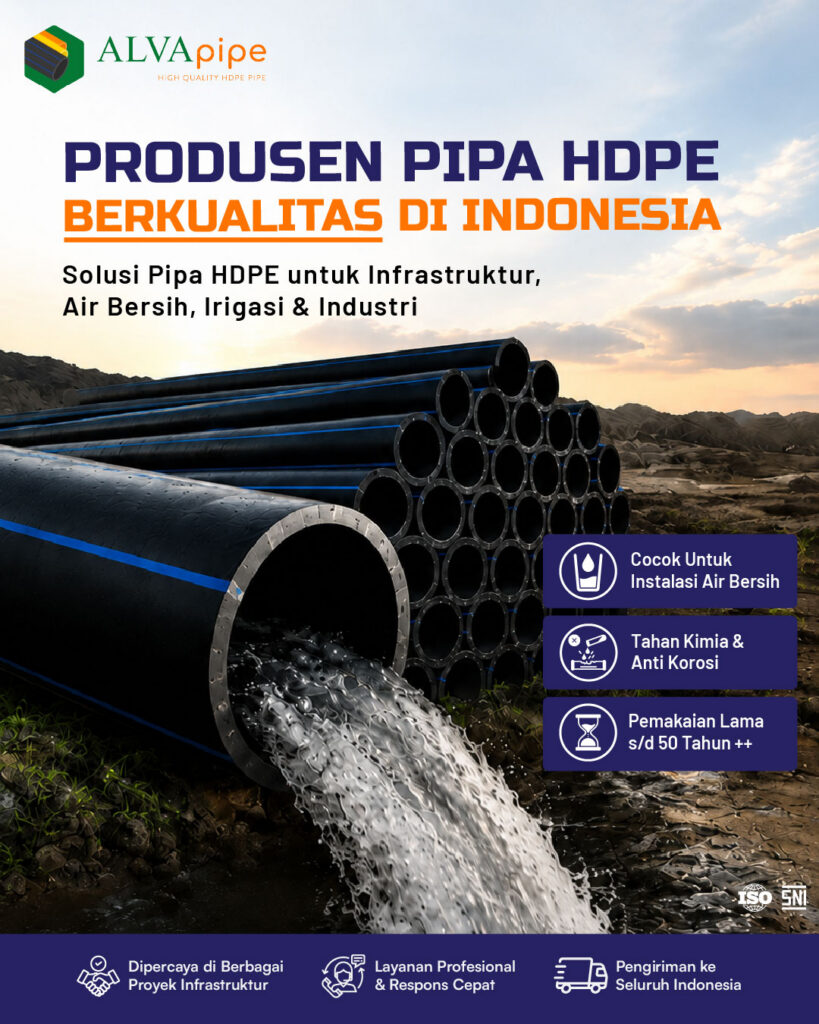
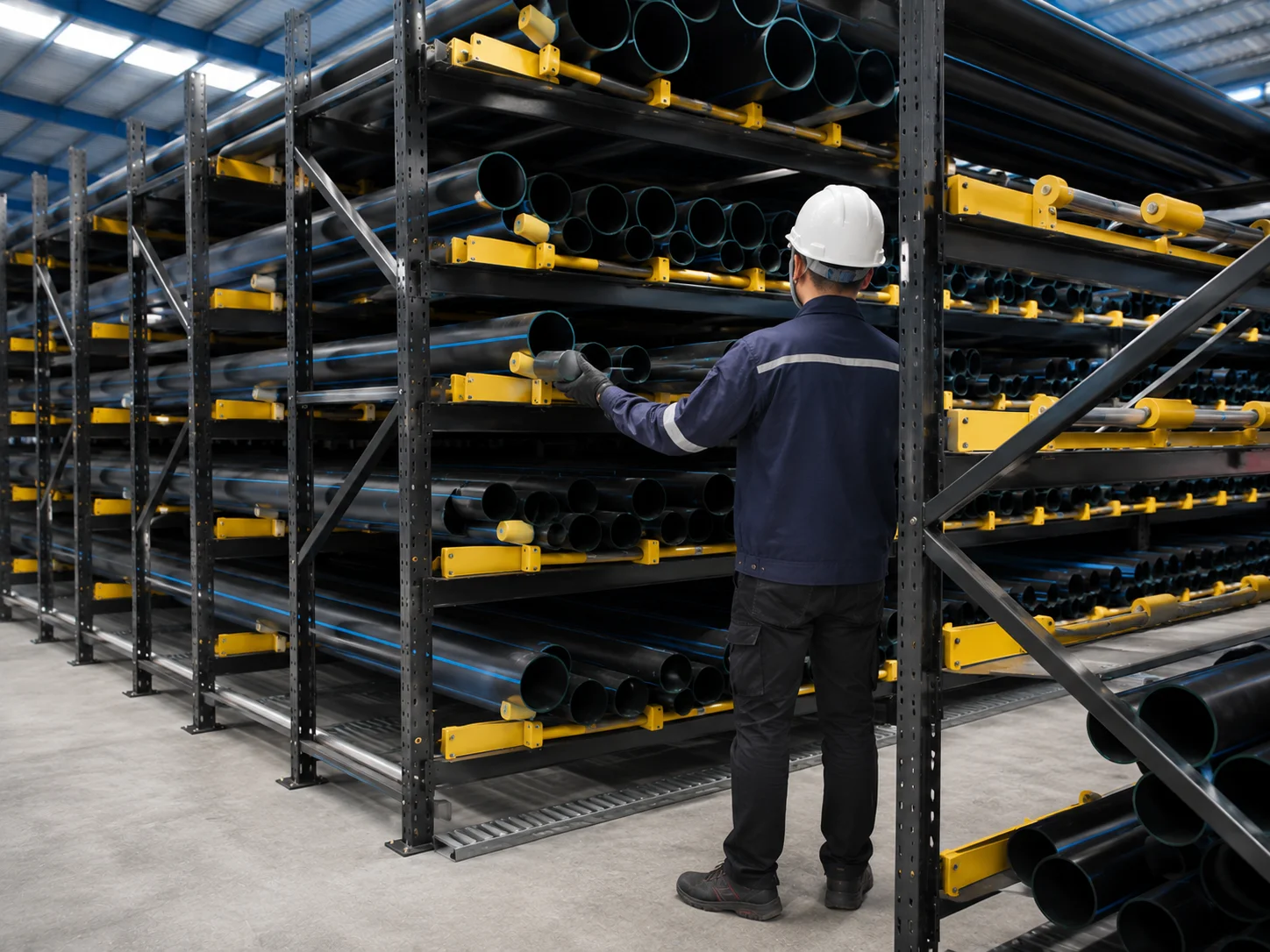
In construction and infrastructure projects, water pipes are often viewed as supporting components whose procurement decisions can be made quickly. Choose what is available, match the budget, and move on.
In reality, however, pipes are critical components that support the entire water distribution system of a project. Small mistakes in material selection, incorrect pipe diameters, or unsuitable pressure ratings can lead to significant operational problems.
For that reason, it is important to understand the following factors before choosing water pipes.
6 Key Factors to Consider Before Choosing Water Pipes
1. Pipe Material Type
Each pipe material has its own advantages and limitations, making it more suitable for certain applications than others.
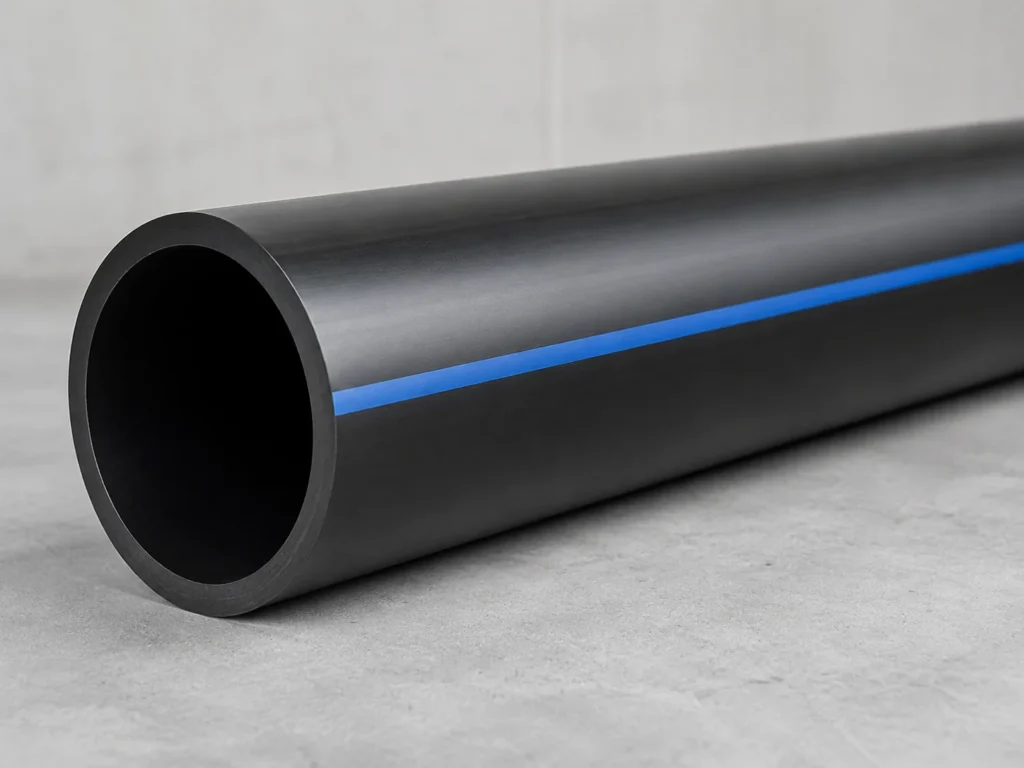
HDPE pipes are known for their flexibility, corrosion resistance, and long service life of up to 50 years.
As a result, HDPE pipes are often the preferred choice for pressurized clean water distribution systems and underground installations.
Meanwhile, PPR pipes are better suited for hot and cold water installations within buildings.
PVC pipes provide an economical solution for drainage systems and low-pressure applications. Ductile iron and steel pipes are commonly used for large-scale transmission networks that operate under very high pressure.
2. Pressure Requirements and Flow Capacity
Every water distribution system operates under different pressure conditions. Therefore, the selected pipe must have an appropriate pressure rating, not only for normal operating conditions but also for potential peak-pressure scenarios.
For HDPE pipes, operating pressure is determined by the selected SDR class. SDR 11 has the thickest wall construction and can handle pressures up to PN 16, while SDR 26 is intended for lower-pressure applications.
Pipe diameter is another important consideration. Pipes that are too small may restrict water flow and reduce overall system performance.
On the other hand, oversized pipes can increase material costs without delivering significant operational benefits. Therefore, pipe dimensions should be selected based on the required flow rate and actual installation conditions.
3. Environmental Conditions and Project Location
Installation environments significantly influence material selection and pipe specifications. Several factors should be evaluated, including:
- Underground installations: Choose materials that can withstand soil pressure, ground movement, and surrounding chemical conditions.
- Above-ground installations: Consider the material’s UV resistance if it will be exposed to direct sunlight for extended periods.
- Earthquake-prone or unstable ground areas: Flexible materials such as HDPE pipes offer greater safety and reliability than rigid alternatives.
- Chemically aggressive environments: Ensure the selected material provides adequate chemical resistance.
4. Durability and Service Life
For example, a pipe system that lasts only around 15 years may require multiple replacements throughout the operational life of a building or water distribution network.
In contrast, high-quality pipes with extended service lives can significantly reduce repair and replacement requirements, resulting in lower lifecycle costs.
Do not rely solely on manufacturer claims regarding product lifespan. Make sure the selected product carries certifications demonstrating that its quality and performance have been tested according to recognized standards.
For HDPE pipes, one reference standard is SNI 4829.2:2015, which indicates compliance with Indonesia’s established technical requirements.
5. Ease of Installation and Maintenance
Installation efficiency is an important consideration when selecting pipe materials. Materials that are easier to install can accelerate project completion, reduce labor requirements, and minimize installation errors.
For example, HDPE pipes are relatively lightweight, with a density of approximately 0.94 g/cm³, making them easier to transport and install.
Their flexibility also allows them to be supplied in coils for longer lengths, reducing the number of joints required during installation.
Long-term maintenance requirements should also be considered. Materials that resist corrosion, cracking, and physical damage generally require fewer repairs throughout their service life.
Conversely, materials that require frequent inspections, repairs, or component replacements can significantly increase operational costs over time.
Why Choosing the Right Water Pipe Matters
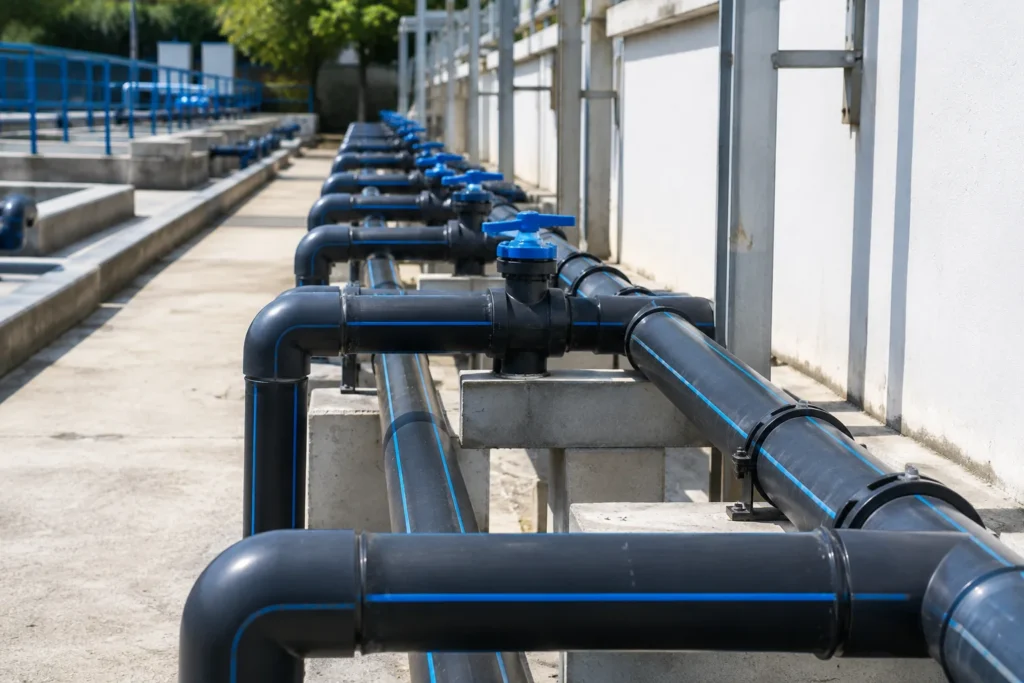
Every project has unique requirements, which means the same type of pipe cannot be used for every application.
Residential buildings, high-rise developments, industrial facilities, and large-scale clean water distribution networks all operate under different conditions, including varying water pressures, flow capacities, and installation environments.
For this reason, pipe selection should always be tailored to project-specific requirements.
For example, main water distribution networks typically require pipes capable of withstanding high pressure and delivering long-term performance.
Meanwhile, plumbing systems inside buildings may require pipe types that are easier to install and better suited to indoor operational conditions.
Selecting the right pipe helps ensure smooth water distribution, minimizes leakage risks, and reduces future maintenance requirements.
Conversely, using pipes with unsuitable specifications can lead to numerous issues, including premature failure, recurring leaks, pressure loss, and high repair or replacement costs.
Learn more about common mistakes in water pipe selection that should be avoided during the planning stage.
Choose the Right Water Pipes with Support from the ALVApipe Team!
Selecting the right pipe for a project requires careful consideration of multiple factors, including material type, diameter, operating pressure, and expected service life.
For this reason, partnering with experienced manufacturers and distributors can help simplify the decision-making process.
In addition to supplying products, they can provide recommendations on the most suitable pipe specifications to ensure safe, efficient, and long-lasting pipeline performance.
One HDPE pipe manufacturer and distributor worth considering is PT Alpha Cikupa Makmur. Through its ALVApipe brand, SNI-certified HDPE water pipes are available in diameters ranging from OD 20 mm to 250 mm and pressure classes from SDR 11 to SDR 26.
With manufacturing facilities located in Tangerang, ALVApipe is also ready to supply projects throughout Indonesia.
Learn more about how ALVApipe supports the needs of both project contractors and retailers nationwide.
Consult your water pipe requirements with the ALVApipe team via WhatsApp at +62 877 2666 3295 and receive professional advice along with the best pricing options for your business needs.